Turkish bath culture has long been more than a place to bathe; it is a social ritual that warms the body, nourishes conversation, and anchors community life. From bustling Turkish hammams to quiet neighborhood spas, these spaces blend cleansing with ceremony, scent, and shared courtesy. Visitors move through softly lit rooms, a kese exfoliator, and the gentle whisper of water, where ritual practices unfold as much as they cleanse. The experience evokes hospitality, memory, and a sense of belonging that has sustained Turkish communities for centuries. By weaving traditional practice with modern comfort, Turkish bath culture remains a living, evolving pillar of social life.
Viewed through a broader lens, these steam-filled spaces are not merely places to cleanse; they are public arenas where ritual courtesy, architecture, and collective memory intersect. Alternative terms for this enduring tradition help map its reach across time and culture. From grand ceremonial venues to neighborhood facilities, the core idea remains: cleansing as a communal act that fosters conversation, hospitality, and social bonding.
Tracing the Evolution of Turkish Hammams: From Ancient Baths to Ottoman Grandeur
The Turkish hammam emerged where late antique bath traditions met Islamic aesthetics and the ceremonial life of the Ottoman world. Early public baths absorbed influences from Roman and Byzantine spa culture, yet they adapted these ideas to a climate where steam, heat, and communal rhythm held social and spiritual value. Over centuries, Turkish hammams evolved from spaces used by rulers and elites to inclusive public spheres that knitted urban life together, laying the groundwork for a distinctive Turkish bathing tradition.
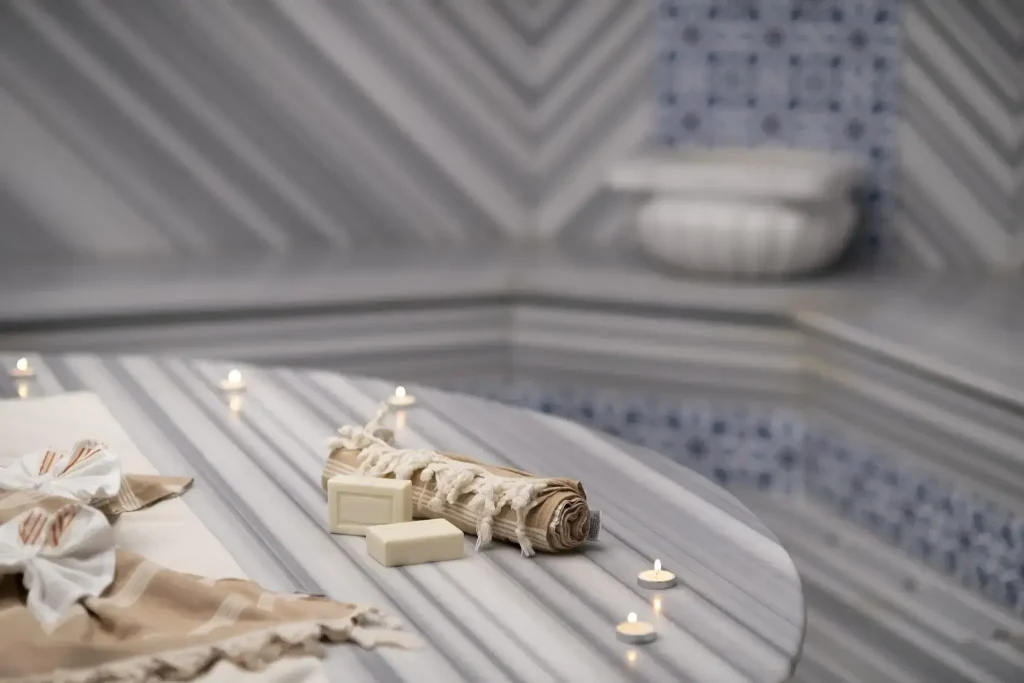
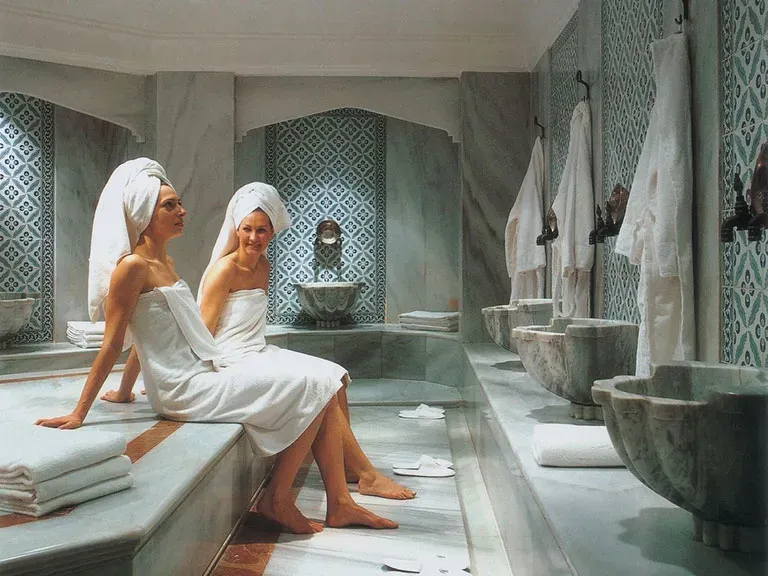
This evolution is closely tied to how architecture and ritual intertwine. Hammams organized spaces in a sequence of rooms that guided bathers from cooler zones to increasingly warm and then hot chambers. Marble slabs, heated floors, and intricate tilework conveyed ritual care and hospitality, making the bathhouse not merely a place to bathe but a cultural monument. The legacy of Ottoman bathhouses remains visible in modern hammams that balance historical grandeur with contemporary function.
The Architecture of a Hammam: Space, Tilework, and the Social Ritual
The design of a traditional hammam matters as much as its rituals because the space itself choreographs social interaction. The progression from cool antechambers to steam-filled rooms creates a physical theater for cleansing, conversation, and shared care. In many towns, the architecture is a celebration of stone, light, and water—an environment that signals hospitality and communal well-being to every visitor.
Tilework, marble, and carved detailing are not decorative merely; they embody a cultural language that communicates status, trust, and belonging. Heated floors and domed or arched ceilings manipulate acoustics, muffling talk and creating a hushed, respectful atmosphere. This architectural sophistication supports the hammam’s social role, where etiquette, timing, and privacy coexist with warmth, clamor, and neighborly exchange.
Hammam Rituals and Etiquette: Cleansing as Communal Practice
Central to Turkish bath culture are rituals that blend hygiene with social bonding. A typical visit begins with greetings, exchanging pleasantries, and wrapping in a peştemal, a lightweight cotton wrap, before moving into the warmer spaces for cleansing. A kese, a textured glove, is used to exfoliate the skin, stimulating circulation and releasing old skin cells, followed by soap, water, and sometimes a massage by attendants. These hammam rituals are as much about care and trust as they are about cleanliness.
Beyond personal cleansing, the hammam becomes a stage for social courtesy and etiquette. Friends meet to discuss family matters, local events, and everyday life, while elders share stories with younger visitors. The social life within hammams—its murmured conversations, shared routines, and respectful boundaries—acts as a living archive of Turkish bathing traditions, reinforcing communal bonds within a public yet intimate sphere.
Turkish Bath Culture: Social Life, Hospitality, and Community in Hammams
Turkish bath culture embodies more than a service; it is a social institution that nurtures hospitality, generosity, and communal identity. The act of visiting a hammam—sharing space, water, and time—often functions as a ritual of belonging, where people from different backgrounds greet each other within a structured, respectful environment. In literature, film, and on city streets, the hammam is a familiar backdrop that reinforces a sense of collective memory and social cohesion.
This social heartbeat extends to how hammams operate today, balancing tradition with modernity. While the space preserves architectural beauty and ceremonial language, contemporary settings may adapt with privacy measures, private changing areas, and staff-assisted services. The enduring appeal of Turkish bath culture lies in its ability to merge personal care with communal life, ensuring that the public dimensions of social space remain relevant in bustling metropolises and tranquil towns alike.
Modern Revival and Tourism: Preserving Heritage while Embracing Contemporary Wellness
In the modern era, heritage hammams have become emblematic of national culture and popular tourist experiences. Renovated spaces revive traditional hammam rituals, inviting visitors to participate in a faithful yet accessible version of Turkish bathing traditions. These revivals showcase architecture, tilework, and the sensory language of steam, water, and scent, offering an authentic window into the Ottoman bathhouse heritage within contemporary safety and comfort standards.
As cities balance preservation with modernization, the hammam remains a living museum and social space. Tourism highlights the tension between heritage preservation and inclusive access, encouraging initiatives that welcome diverse communities while preserving the core rituals and aesthetics. The modern revival thus acts as a bridge, keeping Turkish hammams relevant through programs, guided experiences, and community-focused events that connect locals and visitors through the shared language of wash, warmth, and conversation.
Frequently Asked Questions
What are the essential hammam rituals experienced in Turkish hammams?
Core hammam rituals in Turkish hammams typically move from cooler rooms to a hot, steamy space: warm greetings, wrapping in a peştemal, exfoliating with a kese, applying soap, a rinse, and a gentle massage by attendants. These steps reflect Turkish bathing traditions by pairing personal cleansing with shared space, courtesy, and sensory ritual—steam, water, and marble forming a communal experience.
How did Ottoman bathhouses shape modern Turkish hammams and their social life?
Ottoman bathhouses established the architectural and social template: a sequence of rooms, marble slabs, heated floors, and a public sphere for conversation. In modern Turkish hammams, this lineage lives on in the hammam social life—neighbors meeting, stories exchanged, etiquette observed—while these spaces remain cultural landmarks that connect past and present.
What should a first-time visitor know about etiquette in Turkish hammams and Turkish bathing traditions?
Respect local rules on modesty, take turns in cleansing, and understand that the hammam is a shared space. Staff may offer peştemal towels and privacy measures; observe the typical sequence of cleansing and quiet, respectful conversation. This etiquette aligns with Turkish bathing traditions and the broader hammam culture.
In what ways do hammam rituals foster community while preserving privacy in Turkish culture?
Hammam rituals create a social arena where strangers exchange greetings, observe etiquette, and participate in shared cleansing, balancing openness with personal boundaries. The hammam social life aspect emphasizes hospitality, mutual care, and collective warmth within a respectful public space.
How has modern revival and tourism affected Turkish bath culture and the legacy of Ottoman bathhouses?
Heritage-driven renovations and tourism have popularized authentic hammam experiences while preserving tradition. Modern spaces retain marble, tilework, and the room sequence that echo Ottoman bathhouses, linking visitors to history and supporting broader access and inclusivity in Turkish bath culture.
| Key Point | Summary |
|---|---|
| Introduction | Turkish bath culture has long been more than a place to bathe; it has served as a social hub, a ritual space, and a setting for daily life. |
| Historical roots | Historical roots blend late antique bath traditions with Islamic aesthetics and Ottoman ceremonial life; Roman and Byzantine influences helped shape hammams that later opened to broader society. |
| Architecture and layout | The architecture centers on a sequence of rooms guiding bathers from cool to hot, with marble slabs, heated floors, and tilework that symbolize hospitality and communal care. |
| Rituals and social life | Rituals blend cleanliness with social interaction, including peştemal wraps, kese exfoliation, soap and water, and massages; these rituals emphasize care and shared space. |
| Social function and public intimacy | Hammams function as social arenas where neighbors meet to discuss family, work, and local events, creating a living archive of cultural memory. |
| Gender, class, and boundaries | Historically gender-segregated in many places, hammams also blurred class and age boundaries, enabling cross-sections of society to share a space and participate in life-cycle events. |
| Ottoman bathhouses and cultural continuum | Ottoman bathhouses added architectural elegance and civic identity, becoming microcosms of urban culture cherished for tilework and marble. |
| Public health and wellness | Beyond ritual, steam and heat provided wellness benefits—relaxation, improved circulation, and relief from muscle tension within a communal framework. |
| Tradition to modern revival | In the modern era, heritage hammams attract tourists and locals alike, balancing preservation with modernization through renovation and greater accessibility. |
| Cultural symbolism and everyday life | Cultural symbolism runs through daily life, with hammams appearing as a backdrop for hospitality and social cohesion in literature, film, and memory. |
| Practical etiquette and contemporary relevance | Practical etiquette remains essential: modesty, taking turns, staff-provided towels and privacy measures, and mindfulness in shared spaces. |
Summary
Turkish bath culture remains a living tradition that threads care, community, and history through everyday life. From ancient roots to today’s revival, hammams are more than baths; they are venues of hospitality, memory, and social exchange. The ritual sequence, architectural beauty, and shared spaces invite reflection on how cleansing becomes a communal act of well-being. In contemporary cities and towns, Turkish bath culture continues to balance personal relaxation with collective belonging, adapting to modern safety and accessibility needs. Preserving these spaces as heritage while welcoming new generations ensures that the steam-filled rooms keep guiding social life with warmth, inclusivity, and cultural continuity.