Turkish hammam history and culture sits at the crossroads of imperial splendor and everyday ritual, tracing its roots from grand Ottoman baths to today’s wellness spaces. From marble slabs and steam-filled rooms to charitable endowments and bustling social hubs, the hammam has long stood at the heart of urban life. In contemporary settings, visitors discover hammam rituals reimagined for modern wellness, where cleansing, exfoliation, and soothing oils meet spa-style comfort. Architectural choreography, the sequence of warm, hot, and cool spaces, continues to guide the experience while balancing centuries of tradition with contemporary design. Whether you seek historical context, cultural insight, or a restorative escape, the Turkish hammam tradition offers a rich tapestry of heritage and health.
Turkish hammam history and culture: Origins, Evolution, and Timeless Rituals
Turkish hammam history and culture traces roots well before the Ottoman era, drawing on bath traditions from ancient civilizations across the region. By the height of Ottoman influence public baths became essential urban infrastructure—more than places to wash, they were social hubs where merchants, scholars, and neighbors met, exchanged news, and conducted business. The ritual of cleansing, often performed with a kese (rough exfoliating mitt) and fragrant soaps, was codified into a ceremonial experience that reflected Islamic cleanliness and hospitality. Ottoman baths and their grand architecture helped crystallize the core elements of Turkish bath culture: warmth, steam, and social life under one roof.
Over centuries the hammam evolved from imperial monuments into everyday wellness spaces. As Turkish bath history unfolds, baths became endowed charitable institutions and civic landmarks that shaped city skylines. Even as modern amenities entered the scene, the essence remained: a communal space where cleansing, conversation, and hospitality harmonize. The arc from empire baths to today’s wellness centers shows how the tradition endures by adapting rather than erasing its roots.
Architectural Legacy of the Hammam: Marble, Domes, and the Warm-Hot-Cool Path
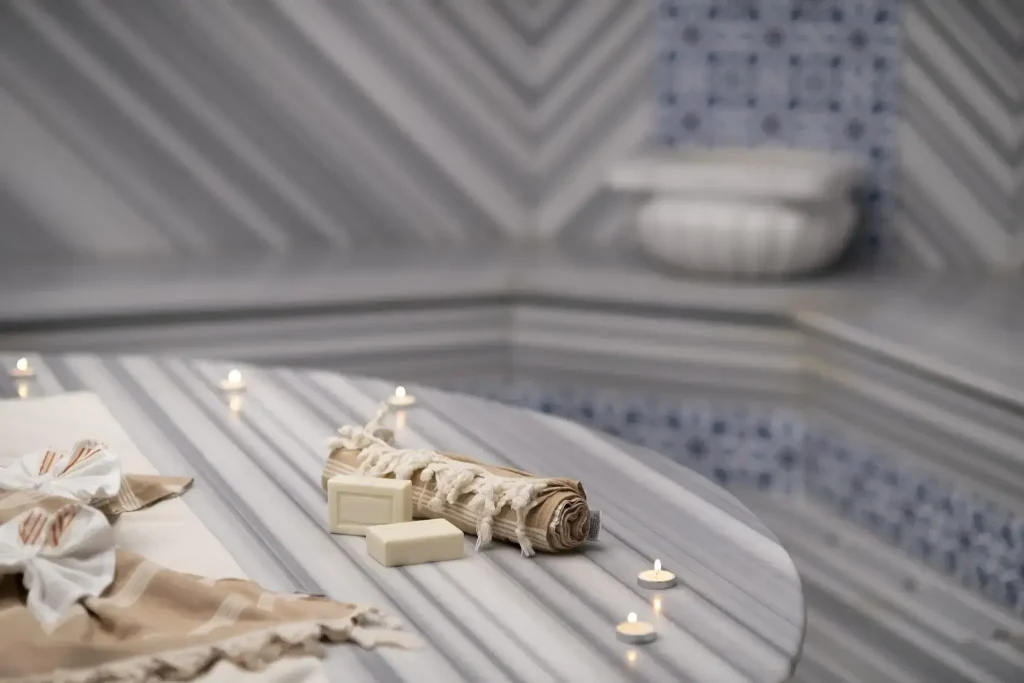
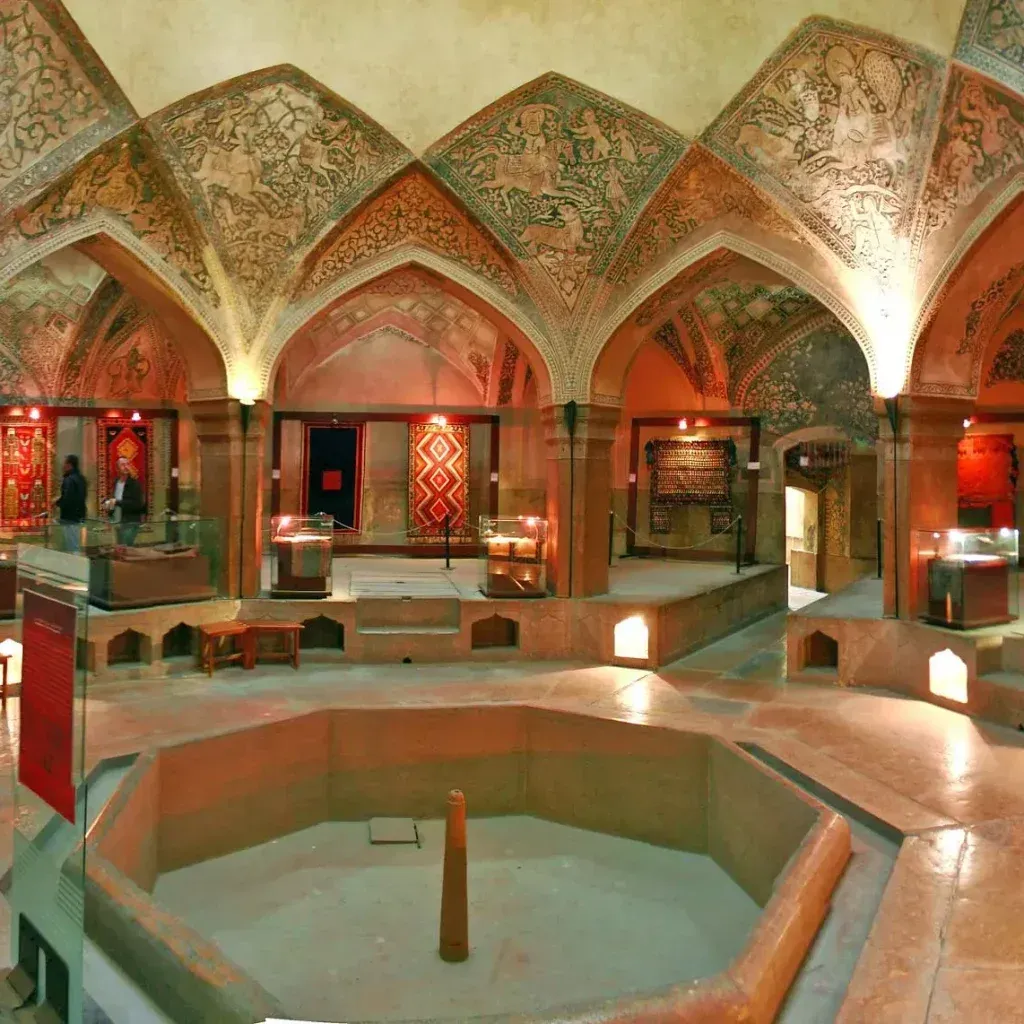
Architectural design is inseparable from the hammam experience. Marble surfaces glow under amber lighting, domed ceilings trap steam, and the sequence of rooms guides visitors through warm, hotter, and cooler zones. The central kese station anchors cleansing rituals and social exchange, while niches, marble benches, and intricate tilework echo Ottoman baths and empire-era aesthetics. This spatial logic remains a bridge between historic Turkish bath architecture and modern hammam spa interiors.
Even in contemporary settings, architects and spa operators preserve the timeless rhythm while adding soundproofing, humidity control, and private treatment rooms. The result is a living continuum: the grandeur of Ottoman baths translated into the comfort and efficiency of today’s modern hammam spa, where guests still experience warmth before heat, then refreshment and massage.
Hammam Rituals and Sensory Experience: Steam, Scents, and Shared Rituals
Hammam rituals unfold as a multisensory journey. The steamy air carries notes of eucalyptus, rose, or mint, and the soft murmur of conversations blends with the clack of tiles and the hiss of water. The cleansing sequence begins with a pre-wash, followed by a vigorous kese scrub and generous lathering of fragrant soap to invite a renewed glow.
After scrubbing, baths are rinsed and often treated with nourishing oils or a traditional massage, sealing moisture and relaxation. Even today, many hammams preserve this ceremonial cadence, balancing centuries-old practices with modern spa therapies to offer a wellness ritual that travelers and locals seek for rejuvenation and mental calm.
Cultural Significance, Etiquette, and Social Dimensions in Turkish Bath Culture
Beyond cleansing, Turkish bath culture is about hospitality and social cohesion. Historically, hammams functioned as egalitarian spaces where merchants, laborers, scholars, and visitors mingled under one roof, exchanging not just news but ideas. Etiquette—respect for others’ space, modesty, and appropriate timing—shapes every visit, with gender-segregated times or separate sections in traditional settings designed for comfort and privacy.
Today’s hammams often offer a blend of mixed or gender-specific experiences to accommodate diverse guests, yet the core emphasis on courtesy, mindfulness, and communal atmosphere remains. Cleanliness, quiet conversation, and shared rituals reinforce the bathhouse as a cultural sanctuary rather than merely a facility for washing, keeping Turkish bath culture vibrant in contemporary life.
From Empire to Contemporary Wellness: The Modern Hammam Spa Experience
The late nineteenth and twentieth centuries brought Western spa influences and urban modernization, reshaping Turkish bath history. Many baths expanded services to include massages, aromatherapy, and steam treatments that align with today’s wellness trends while preserving traditional practices. The modern hammam spa blends Ottoman architectural cues with contemporary therapies, hydrating treatments, and skincare rituals, letting guests scrub, steam, and reconnect in a refined setting.
Today, sustainable heating, water conservation, and eco-friendly products are becoming integral to operations, signaling the future of the hammam as a responsible wellness destination. Yet the heart of the experience remains the same—cleansing, relaxation, and connection—so Turkish bath history continues to inspire spa culture worldwide while adapting to new expectations of health and comfort.
Frequently Asked Questions
How does Turkish bath history explain the prominence of Ottoman baths in city life?
Turkish bath history shows that Ottoman baths were more than places to wash; they were essential urban infrastructure and lively social hubs. Public baths grew from earlier regional traditions into iconic Ottoman architecture that embodied hospitality, civic life, and ritual cleansing.
What are the core hammam rituals that define Turkish bath culture?
The ritual sequence typically begins with a pre-wash, then a kese exfoliation, generous lather with fragrant soap, steam in warm rooms, a rinse, and a massage or oil treatment. These hammam rituals remain central to Turkish bath culture.
How has the modern hammam spa evolved while preserving Turkish bath history?
Today’s modern hammam spa blends traditional warmth and marble design with contemporary therapies, offering steam, massages, and skincare while preserving the cleansing and social spirit rooted in Turkish bath history.
Why were Ottoman baths central to cultural hospitality and etiquette in Turkish bath culture?
Ottoman baths served as egalitarian social spaces where merchants, scholars, and travelers mingled under one roof. Etiquette, modesty and respectful sharing of space shaped daily life, making hospitality a cornerstone of Turkish bath culture.
How can a traveler experience authentic Turkish bath culture today?
Seek historic baths in Istanbul to witness Ottoman architecture and timeless hammam rituals, such as Çemberlitaş Hamamı or Kılıç Ali Pasha Hamam. Alternatively, choose a modern hammam spa that honors Turkish bath history with curated cleansing, steam, and massage experiences.
| Theme | Key Points | Examples / Notes |
|---|---|---|
| Origins and Ottoman Influence},{ | Pre-Ottoman bath traditions; public baths as social hubs; Islamic cleanliness; charitable endowments; kese-based ritual cleansing. | Istanbul landmarks like Çemberlitaş Hamamı and Kılıç Ali Pasha Hamam illustrate the historical role of baths. |
| Architecture and the Experience Within | Marble surfaces, domed ceilings, and temperature zoning; central kese station; warm → hot → cool sequence; modern spa blends tradition. | The spatial logic links cleansing with social rhythms and serves as a bridge between past and present. |
| Rituals, Cleansing, and Sensory Experience | Multisensory steam with scents; pre-wash; kese scrub; fragrant soaps; exfoliation; oils and massage. | Ceremonial act preserved in many modern hammams; spa practices added for contemporary wellness. |
| Cultural Significance, Etiquette, and Social Dimensions | Hospitality and social cohesion; egalitarian spaces; historical gender-segregated times; etiquette, modesty, and space respect; cleanliness and quiet. | Shared space with a focus on courtesy fosters a cultural sanctuary beyond bathing. |
| From Empire to Modern Wellness: The Evolution of the Hammam | Western spa influences; urban modernization; massage, aromatherapy, and steam experiences; preservation of traditional practices. | Modern hammams fuse Ottoman architectural cues with contemporary therapies. |
| Global Reach and Notable Hammams | Influence on spa cultures worldwide; iconic baths like Çemberlitaş and Kılıç Ali Pasha; tours, demonstrations, and education; boutique hotel spas. | Shows how tradition meets tourism and international audiences. |
| Preservation, Education, and the Role of Tourism | Cultural heritage sites and living wellness centers; museums, guided tours; restoration of marble, mosaics, and domes; educational programs; tourism funding. | Visitor education reinforces the hammam’s role in Ottoman culture and artistry. |
| The Future of the Hammam in Wellness Culture | Sustainable heating, water conservation, and eco-friendly products; modern moisturizers and professional massage; accessibility and innovation. | A dynamic fusion of tradition with modern wellness standards and global accessibility. |
Summary
Turkish hammam history and culture is a living tapestry of steam, ritual, architecture, and communal life that continues to shape wellness today. The journey begins with pre-Ottoman traditions and the Ottoman era, when baths served not only for cleansing but as public works, social hubs, and spaces of hospitality and commerce. Architecturally, hammams rely on marble slabs, domed ceilings, and a sequence of warm, hot, and cool rooms that guide the cleansing ritual. Core practices such as kese exfoliation, fragrant soaps, and massage connect personal care with social bonds and ritual meaning. In modern times, the hammam blends traditional elements with spa innovations, expanding accessibility while preserving its essential spirit. The global reach is evident in iconic historic baths, educational tours, and boutique spa concepts that bring the Turkish bath experience to travelers worldwide. Preservation and tourism play crucial roles in sustaining these sites and educating visitors about Ottoman heritage and artistry. Looking ahead, sustainable practices, eco-friendly products, and responsible tourism will keep Turkish hammam history and culture accessible to new generations while continuing to celebrate its enduring rituals.